On July 28, 2026, the Board of Immigration Appeals (BIA) issued a binding precedent in Matter of S-K-E-, 30 I&N Dec. 27 (BIA 2026). This decision recalibrates the evidentiary standards and the overall burden of proof for respondents seeking asylum (Form I-589), Withholding of Removal, or protection under the Convention Against Torture (CAT) based on sexual orientation or gender identity.
For immigration practitioners handling complex LGBTQ+ claims—particularly from repressive legal landscapes like the Russian Federation—Matter of S-K-E- serves as a critical warning. It firmly establishes that broad country conditions surveys are legally toothless if the underlying record lacks individual nexus verification and precise expert testimony.
For immigration practitioners handling complex LGBTQ+ claims—particularly from repressive legal landscapes like the Russian Federation—Matter of S-K-E- serves as a critical warning. It firmly establishes that broad country conditions surveys are legally toothless if the underlying record lacks individual nexus verification and precise expert testimony.
Case Background: The Failure of Generalized Documentation
In Matter of S-K-E-, the respondent, a native of Guinea, sought CAT protection asserting a well-founded fear of torture based on his sexual orientation. To support the application, counsel submitted general international human rights reports and a psychiatric medical declaration documenting the systemic, state-sanctioned persecution of LGBTQ+ individuals in Guinea.
While the Immigration Judge initially granted a deferral of removal, the BIA completely vacated the order. The Board’s reversal turned entirely on the respondent's failure to independently establish his membership in the claimed particular social group (PSG). Under adversarial cross-examination by the Department of Homeland Security (DHS), the respondent provided contradictory testimony regarding his identity, lacked corroborating affidavits, and submitted psychological evaluations that relied solely on his self-reported narratives rather than independent, objective diagnostics.
The BIA crystallized a rigid evidentiary boundary: generalized country conditions reports documenting the persecution of a specific social group hold no legal weight if the respondent fails to meet the independent burden of proving their personal membership within that group.
The Russia Context: Overcoming the "Credibility vs. Nexus" Trap
Following Russia's designation of the "international LGBT movement" as an extremist organization and the escalating criminal enforcement against queer individuals, the existential threat to LGBTQ+ Russian nationals is indisputable.
However, under the strict doctrine of Matter of S-K-E-, DHS trial attorneys will increasingly weaponize this precedent to shift the battlefield from country conditions to personal identity. Proking questions will center on a simple framing: “The statutory danger in Russia is acknowledged, but what independent evidence proves that the respondent is a member of this targeted social group?”
Because many LGBTQ+ applicants from Russia were forced to live deeply closeted lives to survive, traditional corroborating evidence (such as letters from family or visible community activism) is frequently non-existent. A static, downloaded human rights report cannot bridge this evidentiary gap.
To withstand DHS scrutiny under Matter of S-K-E-, immigration defense strategies must implement two primary litigation components:
Finally, Matter of S-K-E- reinforces strict adherence to procedural deadlines under 8 C.F.R. § 1003.31(h). The Board affirmed that when a record is kept open post-hearing for a specific administrative document, trying to submit late expert evaluations or additional corroborating affidavits will result in summary exclusion. Comprehensive expert witness designations and analytical reports must be fully integrated and submitted well before the evidentiary clock stops.
However, under the strict doctrine of Matter of S-K-E-, DHS trial attorneys will increasingly weaponize this precedent to shift the battlefield from country conditions to personal identity. Proking questions will center on a simple framing: “The statutory danger in Russia is acknowledged, but what independent evidence proves that the respondent is a member of this targeted social group?”
Because many LGBTQ+ applicants from Russia were forced to live deeply closeted lives to survive, traditional corroborating evidence (such as letters from family or visible community activism) is frequently non-existent. A static, downloaded human rights report cannot bridge this evidentiary gap.
To withstand DHS scrutiny under Matter of S-K-E-, immigration defense strategies must implement two primary litigation components:
- Individualized Expert Nexus Reports:
- A broad country overview can be discounted in a single sentence by an immigration judge. Defense counsel must secure a customized country conditions report (Bespoke Expert Report) that explicitly connects the respondent's specific behavioral and psychological profile to the precise mechanisms of state persecution. The expert witness must explain why a closeted lifestyle in Russia is a direct product of systemic coercion and how the state's anti-LGBTQ+ legal frameworks target individuals exactly like the respondent.
- Insulating Expert Witness Qualification:
- In Matter of S-K-E-, the BIA upheld the Immigration Judge's discretion to limit the qualification of the respondent's professional witness because the underlying credentials did not document specialized, academic research on the socio-legal treatment of LGBTQ+ groups in that specific country.
- To inoculate your record against qualification challenges, your expert witness must possess an unassailable international pedigree. Academic appointments, degrees from elite institutions (e.g., Cambridge, Harvard), and a documented history of testifying before EOIR courts are critical to ensuring the court credits the expert's conclusions regarding the probability of future harm.
Finally, Matter of S-K-E- reinforces strict adherence to procedural deadlines under 8 C.F.R. § 1003.31(h). The Board affirmed that when a record is kept open post-hearing for a specific administrative document, trying to submit late expert evaluations or additional corroborating affidavits will result in summary exclusion. Comprehensive expert witness designations and analytical reports must be fully integrated and submitted well before the evidentiary clock stops.
Decision is here.
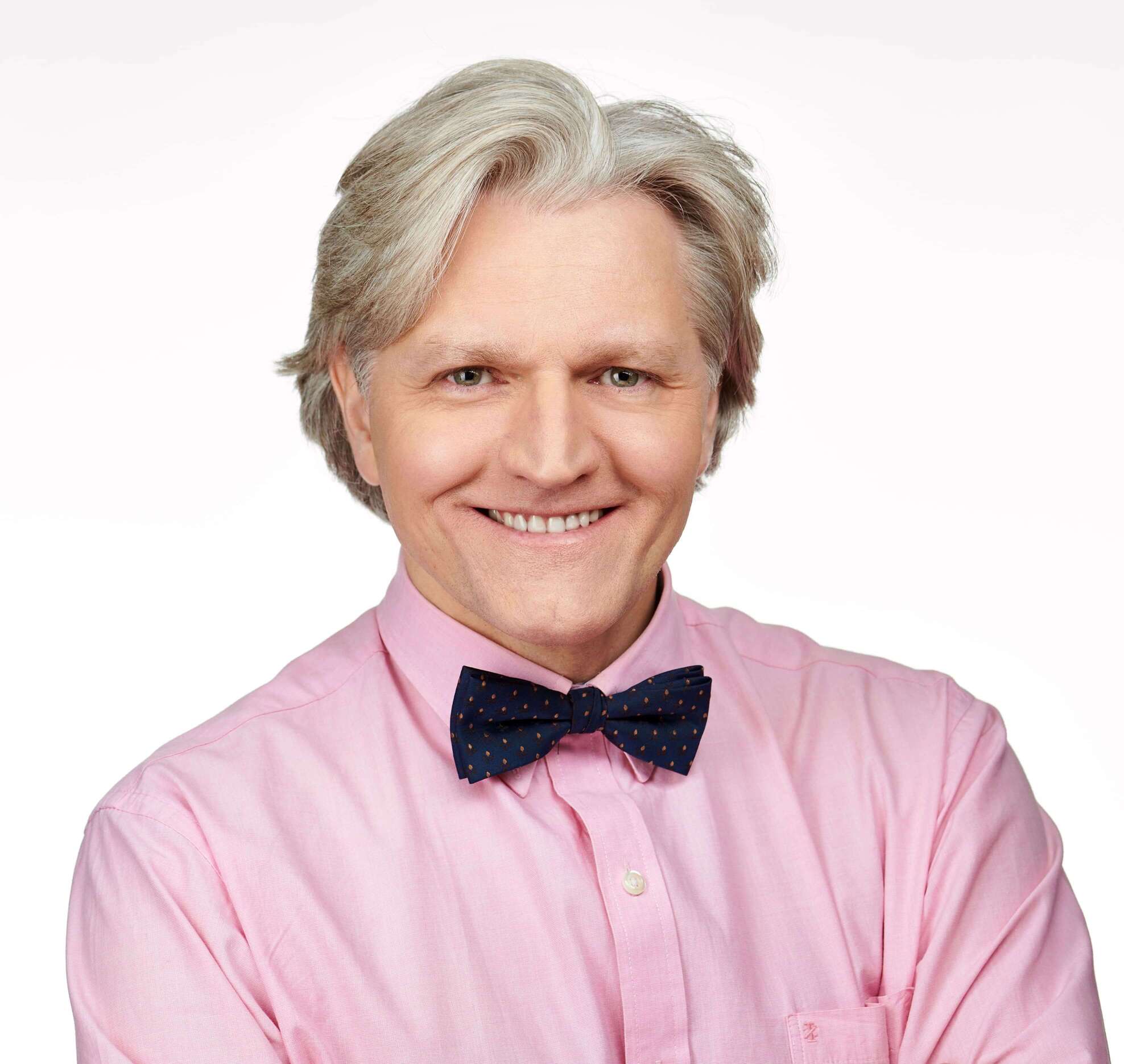
Dr Anton Burkov is a country conditions expert witness on the Russian Federation in United States immigration and asylum proceedings. He is a member of the International Advisory Board of the Human Rights Practice Program at the University of Arizona, and is based in Boston, Massachusetts.
Enquiries: ab@strategiclitigation.center | +1 (470) 404-2105